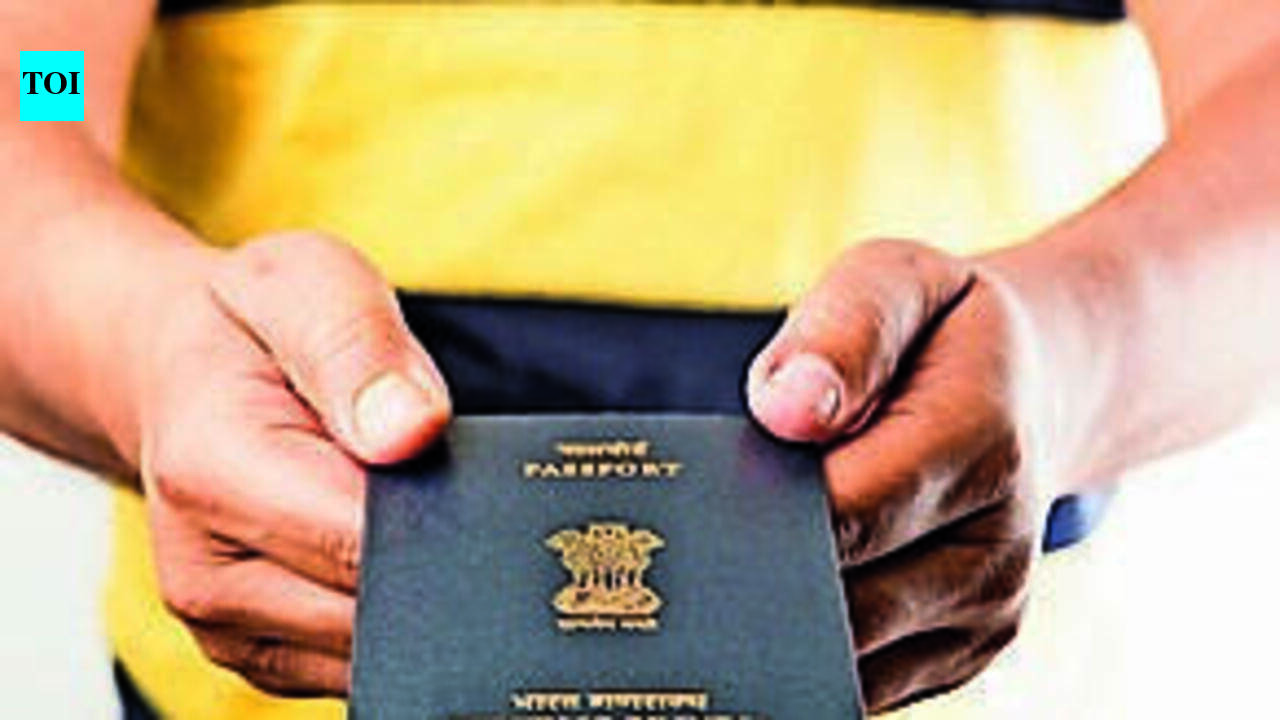
The international travel landscape is confronting new operational and security complexities in 2026. A high-profile breach at Delhi’s Indira Gandhi International Airport—where a passenger executed a boarding pass swap and identity fraud to board a Toronto-bound flight—highlights severe vulnerabilities in transit protocols. For corporate travel managers and policy analysts at Nivanta Travels, this incident signals an impending wave of stricter airport identity verifications, potential transit delays, and heightened compliance checks across international hubs. Companies must update their corporate travel risk assessments to account for more rigorous documentation audits at immigration checkpoints.
Parallel to these security developments, fresh market research reveals a major shift in consumer financial behavior across India. Despite years of aggressive digital adoption, 2026 data indicates that lower-middle-class consumers are moving back toward offline transactions, particularly for bill payments and travel bookings. This unexpected trend toward physical travel desks and cash-assisted booking channels requires travel management platforms to pivot. Rather than relying solely on digital-first strategies, travel providers must adopt robust omnichannel models that accommodate both digital convenience and offline touchpoints for diverse consumer segments.
On the macroeconomic front, regulatory reforms like the Mines and Minerals Act of 2026 are setting a new standard for tax uniformity and financial predictability across states. By resolving long-standing retrospective tax disputes, the government is stabilizing core industrial sectors. For the travel industry, greater fiscal certainty in primary sectors directly translates into steady corporate travel budgets, expanded regional mobility, and increased demand for business travel infrastructure near industrial corridors.
- Heightened Travel Vigilance: Recent airport security breaches will trigger stricter immigration and boarding protocols, requiring corporate travelers to allow extra transit time and maintain meticulous travel documentation.
- Resurgence of Offline Travel Bookings: The consumer shift toward physical booking channels in 2026 obliges travel agencies to offer strong hybrid and desk-based support alongside digital portals.
- Fiscal Uniformity Driving Mobility: Streamlined tax legislation in industrial sectors provides corporations with budget predictability, fostering growth in regional business travel and corporate mobility.